The Object Relations
Object Relations is a theory that comes from psychoanalysis that states (in a very small nutshell) that our first relationships as babies form the expectations of our adult relationships.
There are three main object relations
In practice, we have all three object relations in us in varying degrees. However, we tend to have a dominant object relation -- the one associated with our type.
Attachment Object Relation (Types 3,6,9)
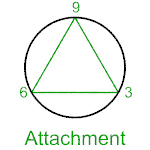
People with the attachment object relation tend to have a sense of contentment that their needs (with people, situation, thinks) are being met. Their sense of self is based on being deeply attached to things perceived as good. To attach themselves, these types adapt their ways to be consistent with important people or things.
Attachment in Threes
Threes adapt their self-image to be consistent with the expectations and values of others. Threes are aware of what is valued by their friends, family, coworkers, etc. and they strive to attain those values. That way, they can receive the attention and validation from others. Their sense of self is based on an attachment to their self-image of a successful, valuable person.
Attachment in Sixes
Sixes adapt their belief systems to be consistent with those of an authority figure or system. Sixes doubt their own ability to cope with the world, so they seek security through another person or system. Their sense of self is based on an attachment or association and loyalty to important people or groups.
Attachment in Nines
Nines adapt (or accommodate) their own wants and opinions to be consistent with those of others. Nines want peace, so why rock the boat? By going along with others, they can attain the harmony they seek. Nines base their sense of self on their attachment to their idealized (internalized harmonious) view of the world.
Frustration Object Relation (Types 1,4,7)
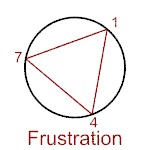
People with the frustration object relation know what will make them happy, but they feel they seldom have it. However, once they find the source of their happiness, they tend to become disappointed and disillusioned with it. As a result, they become frustrated as they begin their search again. Their sense of self is based on the search for an ideal. These types need to remember that they can find contentment by accepting their present experience.
Frustration in Ones
Ones are searching for ideal autonomy. That means perfection and complete self-control. Ones focus on what's wrong or out of place in a given situation. They become frustrated when they see that things don't live up to their standards and when they feel obligated to improve everything. Their sense of self is based on this frustration - it shows that they still care about making things better.
Frustration in Fours
Fours are searching for ideal attention -- a partner who completely understands and appreciates them. Fours focus on what's missing in others and in themselves. Despite their longing for an ideal partner, their actual partner has flaws and isn't quite what the Four is looking for. Fours seek validation and attention from others, but feel they must be different and distant from others to get it. As a result, their strategy for attention doesn't often work, leading to a sense of frustration that maintains their sense of self.
Frustration in Sevens
Sevens are searching for ideal security and contentment. Sevens focus on the fun they are not having. The current experience isn't quite as fun as they hoped it would be. Their mind quickly jumps to opportunities and experiences that they could be having rather than the one they are currently experiencing. Sevens get frustrated with the present and seek security in the future. Their sense of self is based on the search rather than on the experience.
Rejection Object Relation (Types 2,5,8)
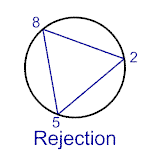
People with the rejection object relation feel that they have been rejected by others. Others don't care about their needs, so they reject their own needs too. Consequently, their relationships often have issues of not wanting to be nurtured or touched. Despite feeling rejected, they feel they only have one gift to offer to prevent future rejection. Their sense of self is based on countering this rejection by offering their talent.
Rejection in Twos
Twos reject their own needs, their own negative thoughts and emotions. The Two offers the only gift she has left: her heart. She focuses on the needs of others and helping, caring, and nurturing them. Twos try to love others so much that others won't reject them. Twos base their sense of self on putting their own needs aside (rejection) and caring for others.
Rejection in Fives
Fives reject and minimize their own needs (especially their physical and emotional ones). The Five has only one gift left: her head. Fives offer their intelligence and expertise to others, hoping that others will appreciate their knowledge. By building up their own expertise, Fives seek to become important enough not to be rejected further. Fives, having cut off their emotional needs, try to not need others, to be independent, and to not need love. Fives believe that their lack of emotion will shield them from the pain of further rejection.
Rejection in Eights
Eights reject their own needs (especially their emotional, vulnerable side). The Eight only has one gift left to prevent further rejection: her strength and will. Eights believe in their power and know that others can turn to them from strength and leadership. Eights expect to be rejected, but because they are so "tough," they give the appearance of being able to handle it.